
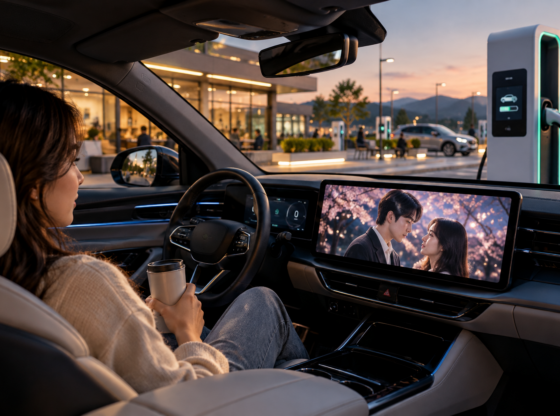

Korean dramas combine emotional storytelling, memorable characters and episode-based narratives that fit naturally into modern viewing habits. As digital entertainment expands beyond the living room, even everyday pauses—such as waiting while an electric vehicle charges—can become opportunities to watch a favourite series. The key is choosing a format that suits the moment without turning leisure into another obligation.
A quiet evening, a long journey with a scheduled charging stop or a short break between daily commitments can all become opportunities to discover something new. Exploring Korean dramas online gives viewers access to stories ranging from romantic comedies and family dramas to psychological thrillers and historical epics. Their popularity reflects a broader shift in digital culture: entertainment is increasingly organised around people’s routines rather than fixed broadcast schedules.
Korean series are particularly well suited to this flexible approach. Their evolving characters and connected episodes encourage viewers to return to a story, while the variety of genres makes it possible to find something for different moods. With browser-based entertainment becoming familiar across phones, laptops and other connected screens, watching a series can fit into more parts of everyday life.
Why Korean Dramas Keep Viewers Coming Back
The appeal of Korean television lies partly in its attention to emotional development. Relationships rarely exist only to move the plot forward. Family expectations, workplace tensions, friendship, personal ambition and romantic uncertainty can shape the decisions characters make over many episodes.
This extended structure gives stories room to develop gradually. A conversation that initially seems unimportant may become significant later, while a character’s motivations can look different as new information emerges. Viewers are encouraged to invest not only in what happens next but also in how the people on screen change.
The range of available genres makes Korean dramas accessible to different audiences. Romantic comedies provide lighter entertainment, thrillers build suspense through unanswered questions, and historical series create fictional worlds shaped by distinctive settings and traditions. Some productions combine several of these elements, moving between humour, conflict and emotional drama.
For international viewers, this variety creates multiple ways to begin exploring Korean television. Someone who already enjoys mysteries can approach the format through a suspenseful series, while another viewer might discover it through a relationship-driven story.
The Changing Rhythm of Digital Viewing
Online entertainment has altered the relationship between leisure and time. Traditional television schedules required audiences to be available at particular hours, whereas on-demand viewing allows people to choose when a story fits into their day.
A series can become part of an evening routine, a weekend activity or a shared experience with friends and family. Viewers can pause between episodes, return to a storyline later and decide how much time they want to spend watching. This flexibility is particularly useful in lives shaped by changing work schedules and multiple digital commitments.
However, constant access also creates a familiar difficulty: deciding what to watch can take longer than expected. An extensive catalogue may offer hundreds of possibilities, but comparing titles, genres and recommendations can consume the time originally reserved for relaxation.
The most useful viewing habits therefore begin with a simple question: what kind of experience would suit this moment? A tense mystery, a gentle romance and a fast-moving comedy offer different forms of entertainment. Choosing a general mood before browsing can make discovery more straightforward.
When an EV Charging Stop Becomes Viewing Time
The changing role of digital entertainment becomes especially visible in electric mobility. As electric vehicles become part of everyday transport, drivers sometimes spend a planned break waiting for the battery to recharge. Depending on the vehicle, battery level, charging equipment and conditions, a charging stop may last from around half an hour to considerably longer.
That interval can provide an opportunity to rest, check messages or enjoy an episode of a television series while the vehicle remains parked. For someone who already follows a Korean drama, the charging break can become a natural pause in the day rather than time spent simply watching the charging indicator.
Episode lengths vary widely, but many Korean television dramas have instalments lasting roughly an hour, with some running shorter or longer. This makes an episode a possible companion for an extended stop, although the viewing time should never determine when a driver disconnects or departs. Charging duration and episode duration do not necessarily match, and the vehicle’s charging status should take priority.
The idea also fits the emotional rhythm of episodic storytelling. A charging stop provides a defined interval in which a viewer can follow a story without needing to commit to an entire film. A single episode may offer enough narrative development to make the break feel complete, while a cliffhanger can create anticipation for the next opportunity to watch.
The important distinction is that entertainment belongs within the waiting period, not behind the wheel. Video should only be watched when the vehicle is safely parked and the manufacturer permits it.
Can You Watch a Series on an Electric Car’s Screen?
Modern electric vehicles increasingly feature large infotainment displays, connected services and software that can support entertainment while the car is stationary. Some models provide built-in browsers or dedicated media applications, while others restrict certain functions or do not support browser-based video playback at all.
Tesla, for example, documents internet-browser and streaming features in its connected-vehicle ecosystem. Their availability can depend on connectivity, vehicle configuration, software and service conditions. Other manufacturers, including BYD and Zeekr, offer different infotainment systems across their model ranges, so compatibility should be checked for the specific vehicle rather than assumed from the brand alone.
A browser-based entertainment website can be convenient because it does not necessarily require a conventional app-store installation. Moviewala’s English-language catalogue offers films and series across several categories, including Korean dramas, giving viewers a place to explore titles through a web browser.
However, the existence of a website does not guarantee that it will play video on every vehicle’s infotainment system. Some automotive browsers may block media playback, limit supported formats or disable video features entirely. Connectivity, regional service restrictions and the vehicle’s own safety policies can also affect the experience.
Before relying on a car’s display for entertainment, drivers should check the manufacturer’s documentation and test supported features while safely parked. If the vehicle does not support the required playback, a phone or tablet may be a more practical alternative, provided it can be used safely without distracting the driver.
Why Browser-Based Entertainment Offers Flexibility
The appeal of browser-based services extends beyond electric vehicles. People already move between smartphones, laptops and larger displays throughout the day, and a website can provide a familiar starting point without requiring a separate application for every device.
Moviewala brings together films and series from different entertainment traditions, including Korean dramas, Bollywood productions, Hollywood titles and other international content. This breadth is useful for viewers who want to explore a new genre or switch between different kinds of stories depending on their available time.
A browser-based approach can also reduce the effort involved in beginning a viewing session. Instead of spending a break installing software or navigating an unfamiliar interface, viewers can open the website on a compatible device and browse the available categories. The actual playback experience still depends on the device, network connection and service compatibility.
This is particularly relevant during short breaks. The less time spent setting up a viewing session, the more time remains for the entertainment itself. Simple access does not guarantee uninterrupted playback, but it can make digital leisure easier to fit into an already busy day.
The Cultural Appeal of Korean Series
The popularity of Korean dramas is not simply a result of their availability. Their stories often combine recognisable emotional conflicts with details rooted in Korean culture, giving international audiences both familiarity and a sense of discovery.
Family relationships, career ambitions, friendship and romantic uncertainty are widely understood experiences. Yet the ways characters navigate them can reflect particular social expectations, communication styles and cultural traditions. These details make the fictional world more specific rather than less accessible.
Music, cinematography, costume and setting also contribute to the experience. A historical drama may encourage curiosity about a different period, while a contemporary series can offer a glimpse of everyday environments, professional pressures and social relationships as represented through fiction.
Watching entertainment is not the same as studying a culture, and individual productions should not be treated as complete representations of society. Nevertheless, international viewing can prompt audiences to explore unfamiliar stories and perspectives. Digital catalogues make that first step easier by placing different genres and film traditions within reach.
Making Every Viewing Break Count
The best way to incorporate series into daily life is to treat them as an option rather than a requirement. A viewer may enjoy watching an episode during a longer charging stop, but a shorter break might be better suited to music, reading or simply resting without a screen.
It is also worth considering the demands of the story. A complex thriller may require sustained attention, whereas a lighter comedy can be easier to follow when the surrounding environment is less quiet. Choosing a series with the right tone can make a break more enjoyable without creating pressure to finish an episode before it ends naturally.
The same principle applies at home. Instead of browsing endlessly, viewers can start with a genre or a mood and then settle on a promising title. This approach reduces decision fatigue and makes entertainment feel more intentional.
For electric-vehicle drivers, practical considerations remain essential. Charging progress, vehicle instructions and road safety must always come first. An episode can be paused or continued later; a charging stop should never become a reason to rush a departure or use a screen while driving.
Entertainment That Moves With Modern Life
Korean dramas demonstrate how a distinctive storytelling tradition can become part of an international digital culture. Their emotional depth and episode-based structure allow viewers to return to familiar characters in short sessions, while online access makes it easier to discover new series when the opportunity arises.
Electric-vehicle charging offers one example of how those habits can adapt to changing routines. A stationary break may provide enough time to watch an episode, provided the vehicle and playback method support it. The same principle applies to other pauses throughout the day: digital entertainment is most useful when it fits naturally into the time available.
Moviewala offers one starting point for exploring Korean dramas alongside other forms of international screen entertainment. Whether viewers choose a romantic series for a quiet evening or a suspenseful episode during a permitted stationary break, the goal remains the same: finding a story that makes a little free time more enjoyable.
As technology reshapes both mobility and media, leisure does not need to be tied to a single room or screen. Sometimes, all it takes is a compelling story, a compatible device and a moment when the day allows time to watch.